
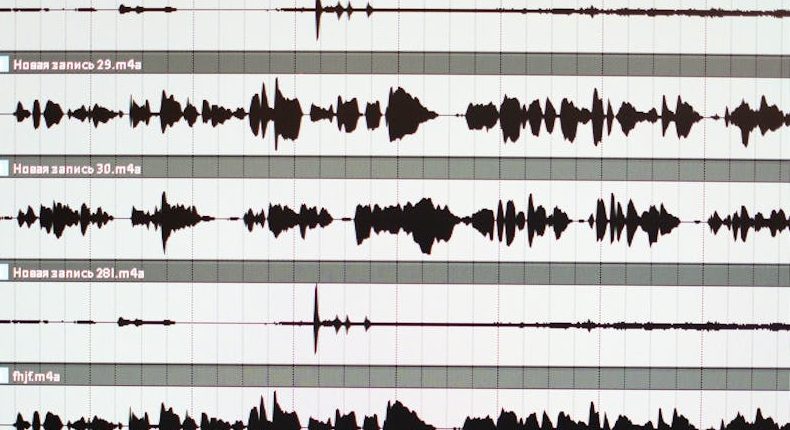
In the world of audio, silence can be as impactful as sound. But unwanted noise – hums, hisses, clicks, traffic, room tone – can compromise that silence, detracting from the sonic purity and professionalism of your content. While basic noise gates offer a crude solution, true audio restoration is an art that requires a deep understanding of signal processing to surgically remove noise without introducing distracting artifacts.
At solidskillsy. in Kristiansand, Norway, we specialise in transforming challenging source material into pristine audio. Our expertise in advanced noise reduction and restoration techniques can salvage otherwise unusable recordings, preserving the rhetoric and texture of your original vision.
True noise reduction aims to remove noise within the audible signal, or to smoothly reduce it, maintaining the naturalness of the sound.
The Arsenal of Advanced Restoration Techniques:
- Spectral Noise Reduction: This is the most common and powerful method.
- How it works: The software “learns” the fingerprint of the unwanted noise (e.g., a constant hum or hiss) during a silent passage. It then intelligently identifies and removes that specific noise profile from the entire audio, even when the desired signal is present.
- Applications: Removing broadband noise (hiss, static), constant hums (50/60 Hz), fan noise, air conditioning rumble.
- Art of Balance: The key is finding the sweet spot between sufficient noise reduction and avoiding “musical noise” (gargling or swishy artefacts) or thinning out the desired signal.
- De-Clickers & De-Cracklers:
- How it works: Algorithms identify short, impulsive noises (clicks, pops, crackles from vinyl, digital glitches) based on their waveform characteristics and interpolate to smoothly fill the gap.
- Applications: Cleaning up old recordings, repairing digital dropouts, and removing microphone bumps.
- De-Essers (Advanced):
- How it works: While often a mixing tool, advanced de-essers function as a form of dynamic spectral noise reduction, targeting harsh sibilance (‘s’ and ‘sh’ sounds) in vocals or dialogue without dulling the overall sound.
- Applications: Improving vocal clarity, taming harsh cymbals or bright guitars.
- De-Reverb & De-Bleed:
- How it works: These are more sophisticated tools that attempt to reduce unwanted room ambience (reverb) or microphone bleed (e.g., drums bleeding into a vocal mic) by analysing the spectral and temporal characteristics of the interfering sound.
- Applications: Cleaning up dialogue recorded in live rooms, making individual instruments more isolated for mixing, and fixing recordings with excessive early reflections.
- Forensic Audio Techniques: For extreme cases, highly specialised tools and manual spectral editing (visualising the spectrogram and painting out unwanted sounds) can be used to remove specific, complex noises like phone rings, sirens, or dog barks from dialogue.
The Engineer’s Touch: Maintaining Naturalness
The true skill in noise reduction isn’t just about making the noise disappear; it’s about making the process disappear. A poorly restored track sounds artificial and lifeless. A masterfully restored track retains its natural dynamics, its original acoustic space (if desired), and its emotional authenticity, only now free from distraction. And perhaps that last statement is the true key. While not all artefacts are possible to remove entirely, we can make our best effort in making them much less distracting.
At solidskillsy., we combine cutting-edge software with a sensitive ear and years of experience. We understand the delicate balance of removing noise while preserving the integrity and sonic identity of your original recording. From salvaging challenging field recordings to perfecting dialogue for high-budget rhetorics, our advanced restoration services deliver unparalleled sonic purity.
Have a challenging recording that needs a professional touch? Let’s discuss if and how we can restore its brilliance.
 solidskillsy.